USGS Investigators: Joel Stokdyk
NPS Investigators: Lauren Blacik
| 2026 | 2027 | 2028 |
|---|---|---|
| $94,652 | $100,646 | $90,152 |
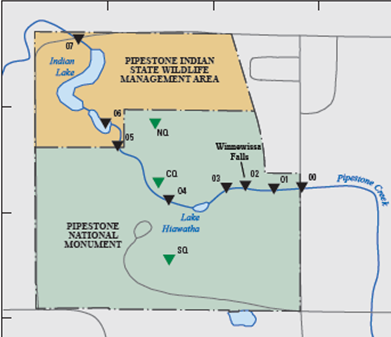
Within Pipestone National Monument in Minnesota, the Pipestone Creek is at the center of a sacred quarry landscape that has sustained countless generations of Indigenous people coming to quarry. Representatives of 23 Tribal Nations frequently express concern about poor water quality and its profound impact on Native people, who need the water for spiritual practices. Monument visitors walk the trail along the creek bank with easy access to the water. Risks from exposure to polluted water have been identified as a threat to traditional practices and human health, but the sources of pathogen contamination and risks from exposure to water are unknown.
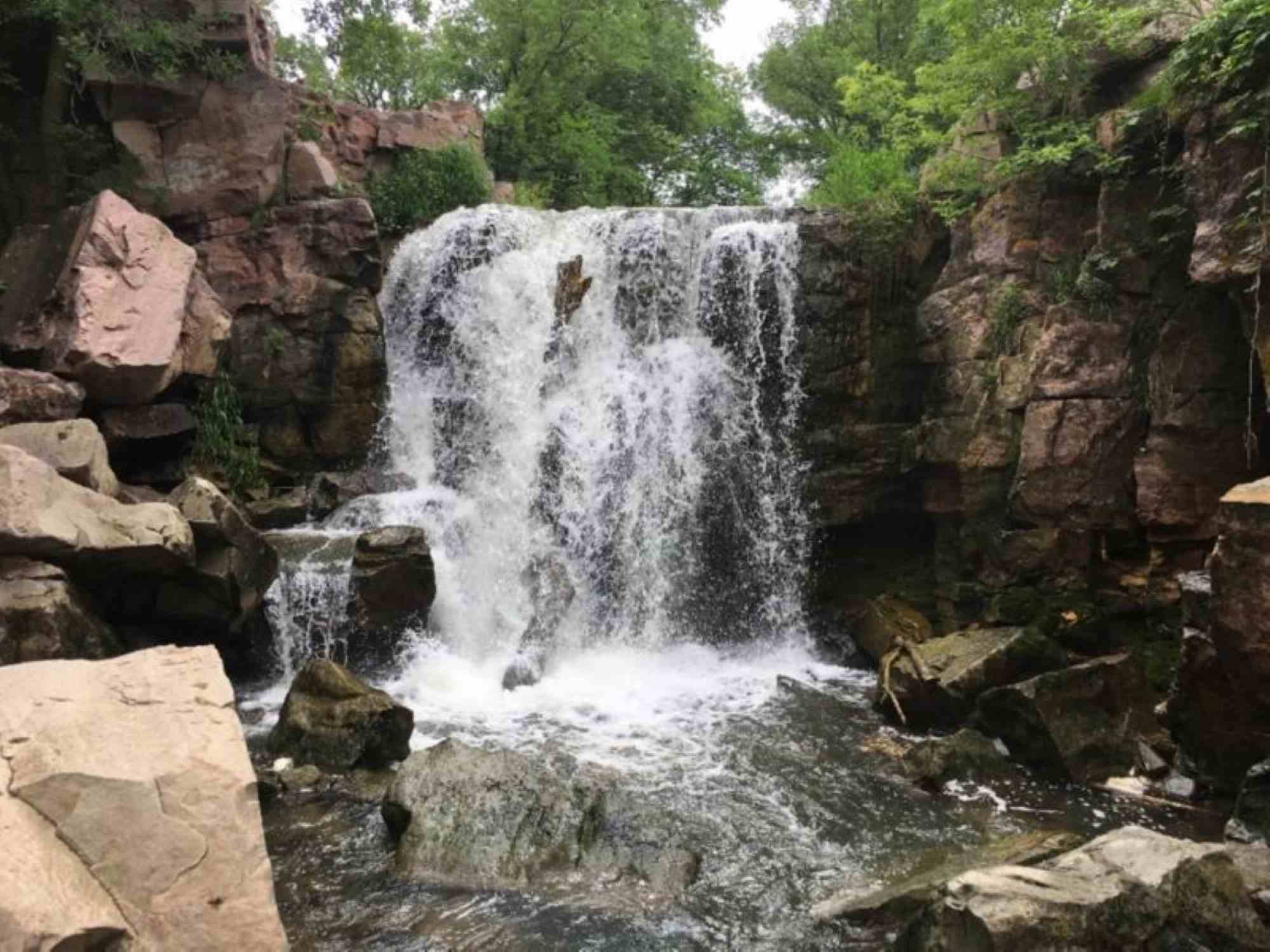
The goal of this study is to characterize pathogen contamination in Pipestone Creek, identify fecal sources of contamination, and assess potential public health risks. Investigating aerosolization of microbes near Winnewissa Falls, a main attraction, will inform the potential for airborne exposure to pathogens. Findings will provide information to understand and address immediate health concerns within the Monument while informing the long-term, watershed-wide efforts necessary to mitigate contamination. A better understanding of the public health risk and sources of microbial contamination will provide stronger focus and motivation for targeted correction efforts by stakeholders in the watershed.